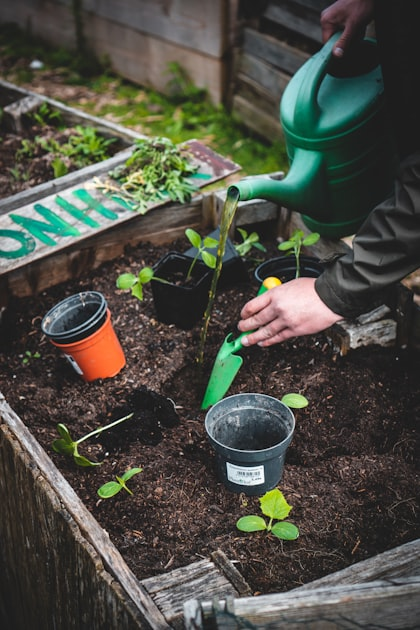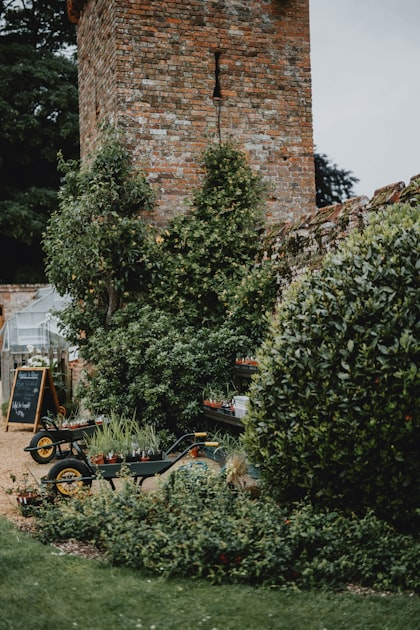

Today is March 11, 2026, and it has been raining for the last day and a half here in N. Texas. I welcome the rain (not the flooding) because it is one of my garden’s best friends. The calendar may not say Spring, but the weather here certainly has sprung. I’ve been busy in the garden, planting everything I can think of. I have more seeds than the law should allow. But hear me out—what if I open a fruit and vegetable stand on my front porch once a week for my neighbors to come and get free food? I say one day a week because I think anything beyond that would exceed my HOA guidelines. Well, that is one of my goals for this year.
As I sit here telling you about my overabundance of seeds, I just ordered more from Botanical Interest and MIgardener. I am trying a few new things this year, as I do every year, so I’ll keep you posted.
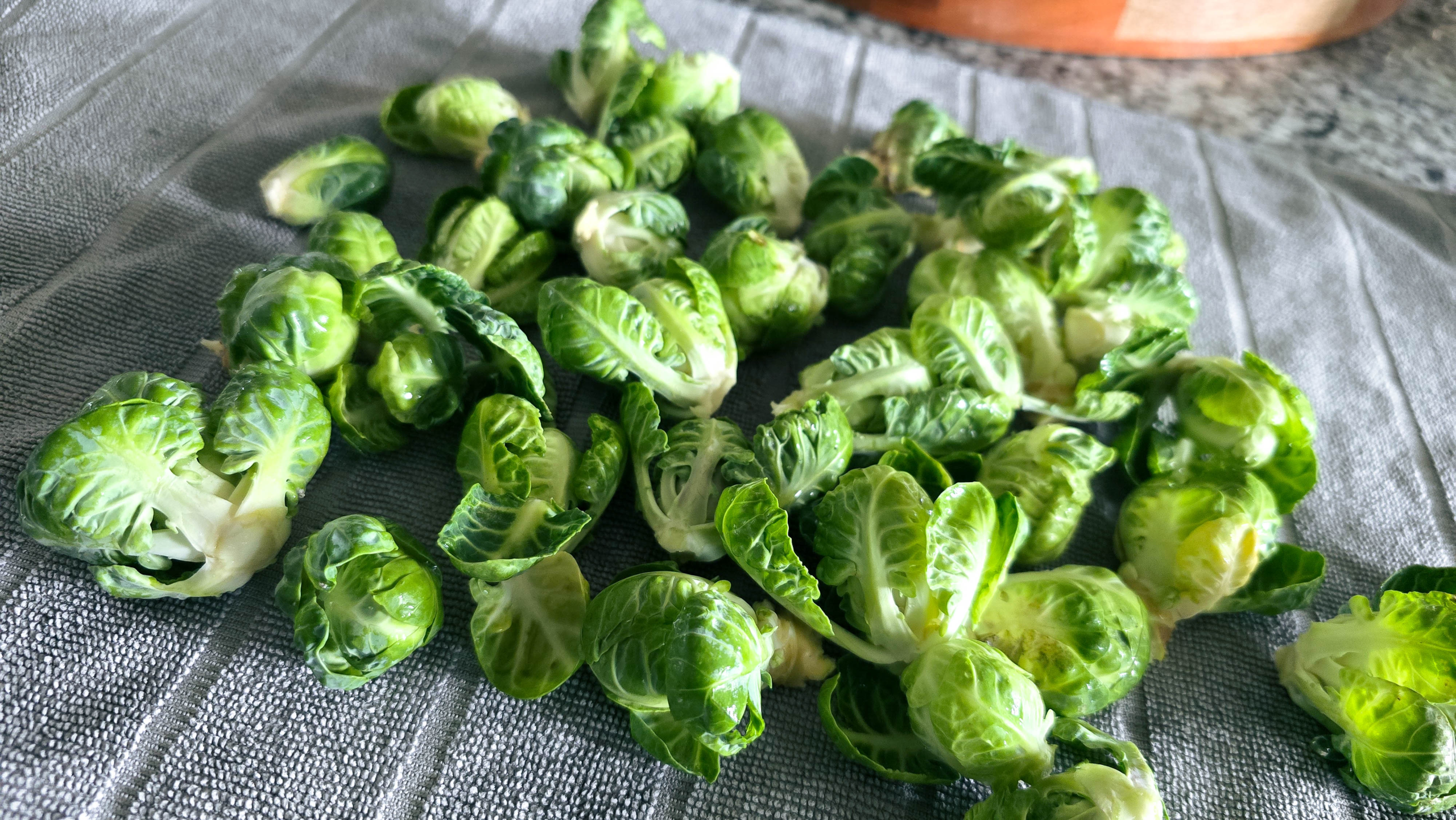
During my tour of the garden this morning, I harvested Brussels Sprouts. Brussels Sprouts are one of those things that I hated as a kid but love as an adult. I have about 6-8 sprout plants around the garden. I planted these particular plants back in the spring of 2025. One thing to know about Brussels Sprouts is that they are better harvested in late winter, early spring—definitely after your last frost. Although they can survive the heat, they don’t like it, as they are a cool-weather crop. You’ll want to plant them in early spring or mid-summer to early fall.
One of my plants is almost 5 feet tall. What I’ve noticed is that the original sprouts were large but seem to have gotten smaller, while the ones closest to the heads are ready for harvest. One thing that I will repeatedly say—that I repeatedly fail to do—is that pruning is your friend. Had I pruned that plant early on, most of the sprouts would be ready to harvest.
Technically, I am supposed to cut off the top (the head) of the plant to encourage maturity of the plant, but I just cannot bring myself to cut it off. I will have to eventually because I will be using that space to plant something else for the spring and summer. I will wait until the last minute, though. I am trying to see how tall it will get and how many Brussels Sprouts I can get from that one plant. They typically grow 2 to 3 feet, and yield 60 – 100 sprouts, but mine has grown taller. According to the Guinness Book of World Records, the title goes to a beauty that stood at 10 feet and 11.8 inches. This morning, I harvested about 40 sprouts.

Some useful information about Brussels Sprouts:
Zones: USDA hardiness zones 3-10
Best time to plant: Early spring for summer harvest; mid to late summer for fall harvest
Best time to harvest: Early summer; winter
What to plant in: In-ground, raised beds, 5+ gallon pots
Lifespan of plant: Up to 2 years
Spacing: 12 – 18 inches apart
Companion Plants: Mint (although I’d be very careful planting mint as it is a garden’s wild child and can spread and be very aggressive, sometimes choking out other plants), rosemary, thyme, garlic, onions, chives, marigolds, nasturtiums, chamomile, carrots, beets, and beans
Time to Harvest: From short, average, and long season; 80-150 days
Growing Pangs: Cabbage worms, aphids, beetles, bolting due to heat, nutrient deficiency, mildew
Nutrients and Care: Full sun, moist soil, well-drained, and nitrogen-rich

Although this is not all the information on Brussels Sprouts, it’s a start. I encourage you to do your own research for your particular gardening zone.
Brussels Sprouts are a healthy, low-carb, low-calorie vegetable that can be eaten in many ways. Oftentimes, I will eat them right off the plant. You can add them to salads, sauté them, bake them, fry them, boil them, and roast them.
Brussels are good for fiber, vitamin K and C, protein, folate, antioxidants, while they help with cancer-fighting compounds, bone health, and digestive health.
There is still time to get Brussels Sprouts in the ground for a summer harvest. There’s nothing like fresh, homegrown sprouts.
Happy gardening!